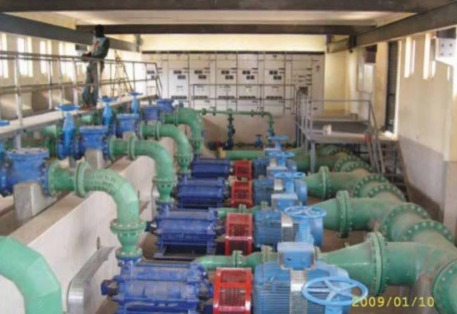
Water treatment plants are a fundamental component of modern water supply systems. Their primary role is to remove physical, chemical, and biological contaminants so that water meets required health and safety standards before it reaches consumers.

The construction of water treatment facilities requires specialized technical knowledge and strict quality control. Treatment processes must be carefully designed to suit the characteristics of the raw water source while ensuring efficiency and compliance with regulatory standards.
Well-constructed treatment plants contribute significantly to disease prevention by eliminating harmful pathogens and pollutants. Reliable operation also minimizes service interruptions and ensures consistent water quality for communities and institutions.
As demand for clean water increases, properly designed and constructed water treatment plants remain a cornerstone of sustainable water infrastructure development.